
Reflection on the M&H workshop held at the Centre for Migration Studies (CMS) 20th Anniversary and International Conference held between 24th and 25th April, 2026
Conference Title: Bridging the Gap? Rethinking Engagement Between Migration Research, Policies, and Practices.
Walking into the Conference Hall, the traditional drumming and dance were indeed a great sign demonstrating the importance of local actors in migration affairs. CMS demonstrated its strong collaboration with diverse actors such as the traditional authorities, security agencies, academics, migration practitioners, and many international organizations on migration issues.

The conference was not just a meeting of academics to get feedback for their new publications; it was an exposure of the gap between human mobility and policy design. Discussing the intersections of migration research, policy, and practice illuminated the importance of connecting research with real-world policy were focus of the conference. While the conference participants enjoyed policy dialogues and parallel sessions on timely issues such as the integration of migrants’ experience into migration policy design and better diplomacy on migration, it was observed that the epistemic hierarchies continue to influence migration scholarship.
Noting the dominance of the Global North in migration research funding, agenda setting, and lead authorship, concerns were drawn to limited representation of the Global South, leading to unequal knowledge production, imbalance research agenda setting, and priorities. Nonetheless, seeing CMS collaborations with academic partners from Sweden, Great Britain, Canada, Ethiopia, South Africa, and Nigeria depicts a major effort to decolonize migration research, agenda-setting, and address the imbalances for a greater Global South participation and leadership in migration scholarship.

Policy dialogue on the first day, for instance, underscores that integrating migrants’ lived experience into the migration policy framework is necessary to design informative and comprehensive policies. Similarly, the second day policy dialogue on migration research and policy practices in Africa heightened the need for evidence-based migration policies that reflect realities in Africa. A more interesting scenario was when one participant, who happened to be a returned migrant in Ghana, asked policy makers what they use remittance for and how those influence governments’ support for decent and regular migration. This type of question is not only about how remittances are utilized, but also how better migration governance can contribute to the development of host and origin countries.
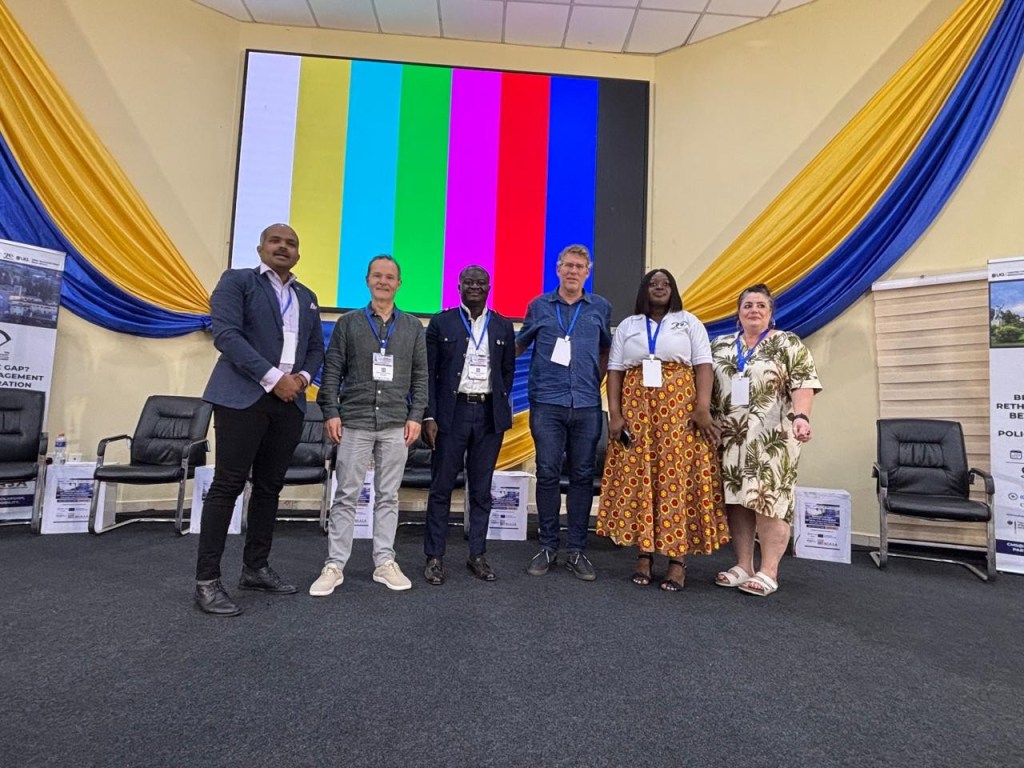
The importance of governing migration through a multidimensional approach was one of the key takeaways. The session on migration and health, in particular, provided key contributions on how health systems intersect with migration and called for a comparative approach in making informed decisions. Discussion on migration and health in the African Union – European Union migration corridor, which was chaired by Prof. Soorej Jose Puthoopparambil, illuminated the complex intersections between migration governance and public health. Key messages from Prof. Jo Vearey, Dr. Joseph Quartey, Prof. Lothar Smith, Prof. Philippe Bocquier, and Ms. Gifty Sarkodie Amponsah highlighted how policy frameworks must adapt to realities along the African Union–European Union corridor, emphasizing evidence-based approaches to address migrants’ health issues. The panellists’ conclusion that the health of migrants is intrinsically linked to the health of the broader population resonated strongly with the audience. This insight highlights the necessity for migration governance frameworks to systematically incorporate health considerations at every stage of the migratory process, including pre‑departure, transit, settlement, and return.
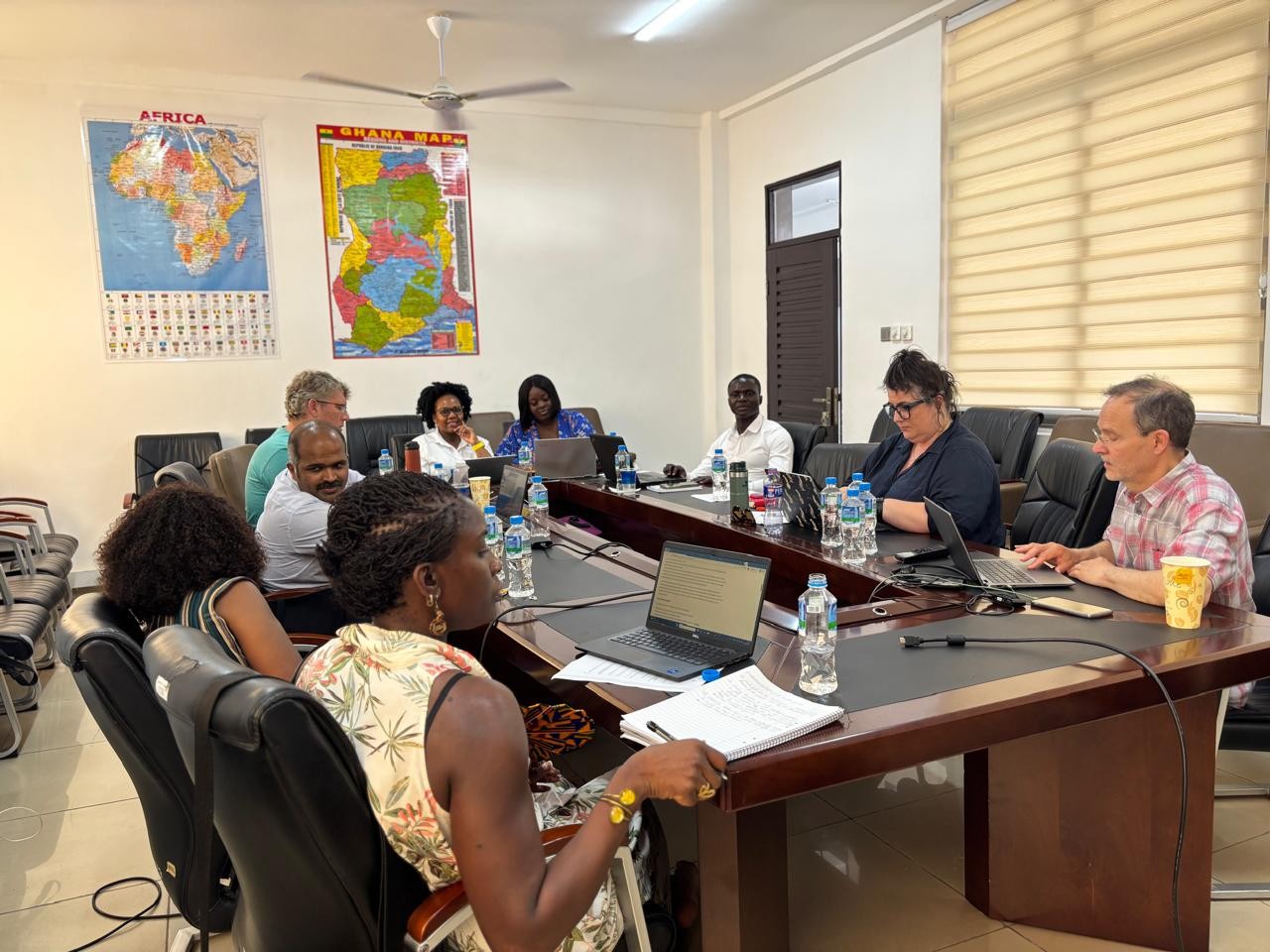
International conferences are platforms where scholars from across the world converge, and this CMS conference was no exception. For the CoRE panel on health and migration, the conference offered an opportunity to move beyond virtual exchanges and engage in two days of in‑person workshops centered on the CoRE’s agenda and action plans. With the focus on strengthening partnerships between African academic institutions and those in Europe, the workshop allowed the CoRE team to reflect on strategic priorities for the coming years while also engaging in substantive, interdisciplinary discussions on their shared focus. One key insight concerned the distinction, or perhaps better understood, overlap between health as a medical matter versus health as a more holistic orientation on well-being at both personal and larger social unit levels.
In sum, the conference and the workshop underscored the imperative for collaborative research, strengthened institutional cooperation, evidence‑based migration policies that focus on migrants’ health, and inclusive strategies that prioritize migrants’ well‑being.